In recent times, the allure of gold and silver as funding vehicles has surged, particularly inside the realm of Particular person Retirement Accounts (IRAs). This case research examines the mixing of these precious metals into retirement portfolios, assessing their benefits, dangers, and the mechanisms through which they are often integrated into IRAs.
Background
Traditionally, gold and silver have been seen as protected havens during economic uncertainty. Their intrinsic value, scarcity, and common acceptance have made them attractive choices for investors trying to hedge towards inflation and market volatility. The 2008 monetary crisis reignited interest in these metals, resulting in a growing trend of investing in gold and silver via IRAs.
Sorts of IRAs for Valuable Metals
There are a number of sorts of IRAs that enable for the inclusion of treasured metals:
- Self-Directed IRA (SDIRA): This kind of IRA gives traders the freedom to choose their investments, together with bodily gold and silver. SDIRAs might be funded with cash contributions or rollovers from other retirement accounts.
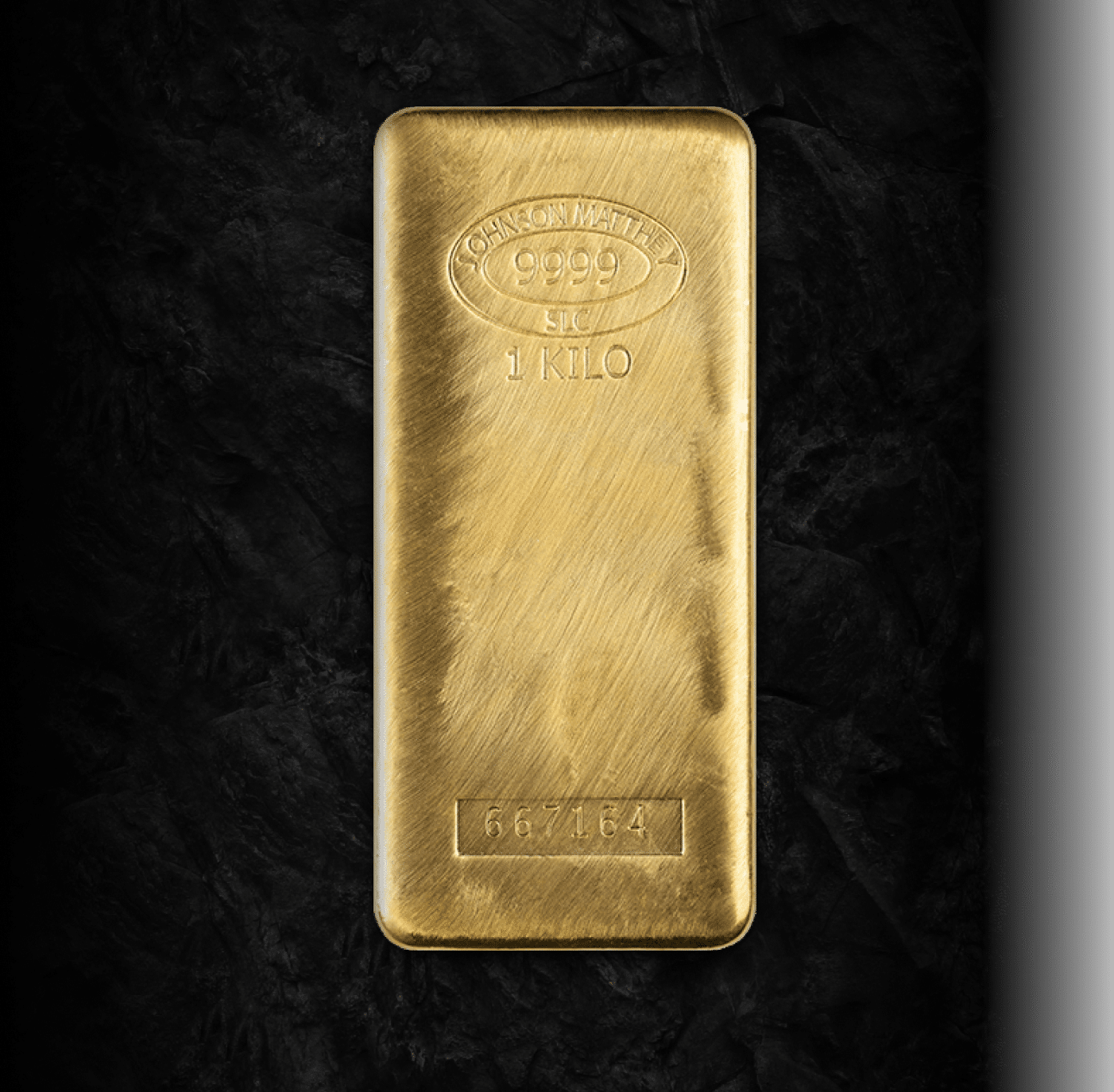
- Gold IRA: Specifically designed for investing in gold and different treasured metals, a Gold IRA allows for the acquisition of IRS-authorized bullion and coins. Unlike traditional IRAs, Gold IRAs require the metals to be stored in a safe, IRS-permitted depository.
- Silver IRA: Just like a Gold IRA, a Silver IRA focuses on silver investments. It additionally requires that the silver be of a sure purity and saved in an authorized facility.
Benefits of Investing in Gold and Silver via IRAs
- Diversification: Adding gold and silver to an funding portfolio can provide diversification, reducing total threat. Valuable metals often transfer independently of stocks and bonds, which will be beneficial throughout market downturns.
- Inflation Hedge: Gold and silver have historically maintained their value throughout inflationary durations. Because the buying energy of forex declines, the value of these metals tends to rise, making them a dependable store of worth.
- Tax Benefits: Investing in gold and silver via an IRA affords tax-deferred growth. This means that buyers don’t pay taxes on gains until they withdraw funds, allowing for doubtlessly greater accumulation of wealth over time.
- Tangible Asset: Unlike stocks and bonds, gold and silver are physical property. This tangibility can present a sense of security for traders who are wary of digital or paper investments.
Risks Concerned
- Market Volatility: While gold and silver can act as secure havens, their costs could be risky. Market fluctuations can result in significant worth changes, impacting the general worth of an investment portfolio.
- Storage and Insurance coverage Prices: Bodily gold and silver must be stored securely, which may incur extra prices. Investors could have to pay for storage fees and insurance coverage, which can eat into potential profits.
- Regulatory Compliance: Investing in valuable metals through an IRA requires adherence to IRS rules. Failure to conform may end up in penalties and tax implications.
- Liquidity Issues: Whereas gold and silver could be sold relatively simply, changing them to cash could take time, particularly throughout market downturns when demand could also be decrease.
Case Study: The Expertise of a Hypothetical Investor
As an example the dynamics of investing in gold and silver via an IRA, let’s consider the case of Jane, a 45-yr-previous investor who has been contributing to her traditional IRA for over a decade. Involved about inflation and market instability, Jane decides to diversify her retirement portfolio by incorporating gold and silver.
Step 1: Analysis and Determination-Making
Jane begins by researching various kinds of IRAs that enable for precious metallic investments. After consulting with a monetary advisor, she opts for a self-directed Gold and Silver IRA, which supplies her with the flexibility to decide on her investments.
Step 2: Funding the IRA
Jane rolls over a portion of her conventional IRA into her new self-directed account. She allocates 20% of her retirement savings to gold and silver, believing that this diversification will protect her wealth.
Step 3: Buying Precious Metals
After establishing her IRA, Jane purchases a combination of gold bullion and silver coins that meet IRS standards. She ensures that her purchases are saved in an authorised depository to comply with IRS rules.
Step 4: Monitoring and Adjusting
Over the next few years, Jane intently monitors the performance of her investments. Throughout intervals of financial uncertainty, she notices that the value of her gold and silver holdings increases, offering a cushion in opposition to losses in her stock portfolio.
Step 5: Withdrawal Technique
As Jane approaches retirement, she begins to strategize her withdrawals. She considers the tax implications of liquidating her precious metals and decides to take a balanced strategy, withdrawing both cash and physical metals to keep up her diversified portfolio.
Conclusion
Investing in gold and silver through IRAs can provide important advantages, including diversification, inflation protection, and tax benefits. Nonetheless, it is essential for traders to concentrate on the related risks, together with market volatility and storage prices. By understanding these dynamics, traders like Jane could make knowledgeable decisions that align with their long-time period monetary targets.
As the financial panorama continues to evolve, the role of gold and silver in retirement planning stays relevant. For those contemplating incorporating these precious metals into their IRAs, thorough analysis and skilled steerage are crucial to navigating this unique investment avenue effectively.