A Gold Particular person Retirement Account (Gold IRA) is a specialised form of a self-directed retirement car that allows buyers to carry physical treasured metals inside an IRA construction. Not like standard IRAs that typically hold stocks, bonds, or mutual funds administered by a broker, a Gold IRA extends the vary of permissible assets to include bullion and generally coins made from gold, silver, platinum, or palladium. The underlying attraction is the potential for diversification and the belief that valuable metals can act as a hedge in opposition to inflation, forex devaluation, and systemic shocks. This report outlines how Gold IRAs work, the regulatory framework that governs them, the sensible concerns for traders, and the dangers and benefits associated with this niche inside the broader retirement planning panorama.
How a Gold IRA works
A Gold IRA is just not a silver bullet, but slightly a tailored retirement automobile that leverages the tax advantages of traditional or Roth IRAs while permitting exposure to bodily metals. The construction requires three essential contributors: the account holder (the investor), a custodial institution (the trustee or administrator of the IRA), and a professional depository or vault the place the metals are stored. The custodian maintains the tax-advantaged account, files required types with the inner Revenue Service (IRS), and handles cash flows equivalent to contributions and distributions. The depository shops the bodily metals in insured amenities, with possession documented on the IRA’s books quite than by the investor individually.
It’s essential to grasp that the metals should not held straight by the investor in a private residence. IRS guidelines require that bodily treasured metals held inside an IRA be stored in an IRS-authorized depository to make sure correct safety, insurance, and compliance with retirement-account laws. The custodian remains the authorized proprietor of the metals for tax and reporting purposes, whereas the investor maintains helpful ownership by means of the IRA.
Eligible belongings and requirements
The IRA should hold bullion-kind metals that meet specified fineness and type requirements. The choices generally available embody physical bars and sure government-minted coins. Metals typically accepted embrace gold, silver, platinum, and palladium, with bullion-grade products preferred to attenuate collector value. Coins that carry vital numismatic (collector) value are often restricted, as their value might not align with the investment and diversification objectives of an IRA. In observe, buyers might encounter offerings similar to gold bars from recognized refiners and bullion coins from national mints that meet IRS requirements for IRA eligibility.
The purity and type necessities are designed to make sure liquidity and standardization within the tax-advantaged construction. Whereas the specifics can differ, the precept remains: the assets must be broadly recognized as bullion-grade and appropriate for funding purposes, not decorative or rare-coin collectibles. Earlier than buy, traders should confirm with the custodian and verify that the chosen metals meet the IRS and depository requirements to keep away from disqualification or penalties.
Establishing and funding a Gold IRA
A typical pathway to a Gold IRA follows these steps:
- Assess your retirement goals and threat tolerance. A Gold IRA is generally thought-about for diversification and inflation-hedging fairly than sole reliance for retirement progress.
- Choose a reputable self-directed IRA custodian with experience handling bodily precious metals. Not all custodians offer Gold IRAs, as regulatory compliance and storage logistics add complexity.
- Resolve on the steel combine and the quantity to be allocated to gold and other eligible metals. There is often flexibility inside an advised range to align with danger tolerance and liquidity wants.
- Choose an IRS-authorised depository and arrange for safe storage. The custodian normally coordinates storage preparations; you don’t acquire direct possession of the metals.
- Fund the account by rollover or switch from an current IRA or by eligible new contributions, following IRS contribution limits and timing guidelines.
- Execute the acquisition and supply of the metals to the depository. The custodian facilitates the transaction and ensures that title transfers to the IRA.
Charges and prices
Gold IRAs involve a set of ongoing and one-time costs that differ from customary IRAs. Typical prices include:
- Setup or onboarding fees to determine the custodial account and the IRA.
- Annual upkeep or administration fees charged by the custodian for record-keeping and compliance.
- Storage and depository charges, which will be primarily based on a hard and fast annual charge or on a tiered structure relying on the value of the metals and the storage facility.
- Transaction charges for buying or selling metals throughout the IRA.
- Carrier or insurance coverage costs related to transporting metals as needed (although storage by depository usually contains insurance coverage).
- Potential exit or disposition charges when liquidating holdings or transferring to a different custodian.
Given the breadth of suppliers and constructions, charges can vary significantly. Potential investors should acquire a transparent, written schedule of all charges and compare gold ira providers at best gold ira Companies the overall annualized price of possession throughout a number of custodians earlier than committing.
Tax therapy and withdrawal considerations
Gold IRAs benefit from the tax advantages of normal IRAs. For conventional Gold IRAs, contributions could also be tax-deductible (subject to eligibility), and funding growth is tax-deferred until distributions are taken in retirement. Roth Gold IRAs provide tax-free development on certified distributions if the account has met the required holding interval and income criteria. The storage of bodily metals within the IRA doesn’t alter the elemental tax remedy of the underlying IRA funds.
Distributions from traditional Gold IRAs are usually taxed as atypical earnings and may be subject to penalties if taken earlier than age 59.5, with certain exceptions. Roth Gold IRAs enable for tax-free certified distributions, but early withdrawals of earnings may be subject to penalties and taxes if the account has not met the required 5-yr rule and other circumstances. Required Minimal Distributions (RMDs) apply to conventional IRAs, whatever the underlying asset combine, whereas Roth IRAs have distinct rules that may scale back or defer RMD requirements through the owner’s lifetime.
Liquidity issues
Gold’s value volatility is a central consideration for retirement planning. Physical gold will be relatively liquid in customary market circumstances, but the liquidity of an IRA-held position is determined by the ability to liquidate via the custodian and depository channels at favorable prices. Some markets for bullion coins or bars can experience unfold costs between bid and ask costs, and charges may have an effect on the net proceeds. Buyers should assess the liquidity profile of the chosen metals and the efficiency of the custodian’s liquidation process, especially in confused market durations when liquidity can tighten.
Dangers and caveats
Investing in a Gold IRA entails a number of dangers and caveats:
- Price threat: Gold prices can be volatile, pushed by macroeconomic information, forex movements, geopolitical occasions, and shifts in sentiment about inflation and actual charges.
- Storage and custody risk: Bodily storage introduces counterparty risk, together with the reliability of the custodian and the security of the depository. Insurance coverage coverage ranges ought to be reviewed.
- Charges and complexity: The layered fees for custodians, storage, and transactions can erode returns, especially in a low-yield surroundings the place beneficial properties rely more on worth appreciation than revenue.
- Regulatory adjustments: Modifications in tax coverage, IRS guidelines, or depository requirements could alter the attractiveness or feasibility of Gold IRAs.
- Purity and eligibility risk: Some metals or coins may be misclassified or rejected by custodians or depositories if they do not meet purity standards, resulting in administrative complications or disqualification from the IRA.
- Scams and misrepresentation: The market consists of some unscrupulous sellers who may misrepresent products or misprice them. Performing due diligence, acquiring written confirmations, and avoiding stress sales techniques are important.
Due diligence and selecting companions
To mitigate danger, investors should:
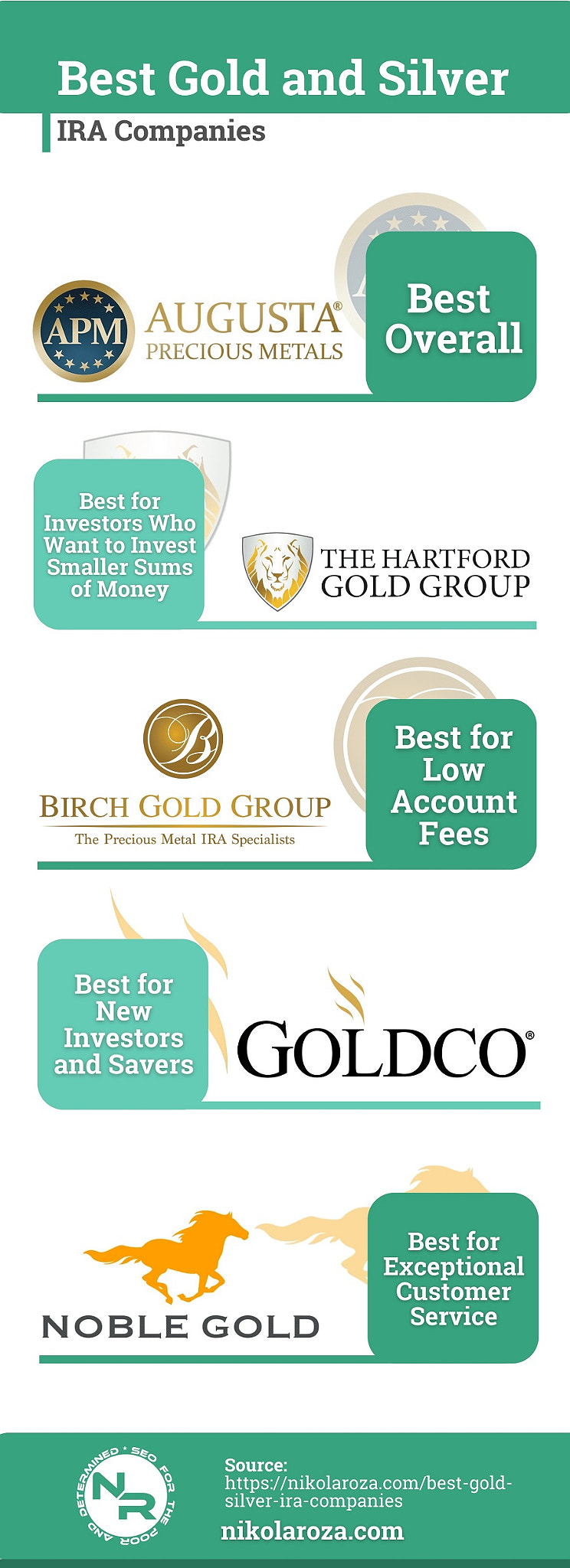
- Conduct thorough due diligence on custodians, depositories, and steel suppliers. Check regulatory registrations, customer critiques, and the provider’s historical past in dealing with Gold IRAs.
- Verify clear, written disclosure of all charges, storage phrases, and insurance coverage levels earlier than signing any settlement.
- Ensure reliance on transparent pricing with documented receipts and auditable storage records.
- Search recommendations from financial advisors or retirement planning professionals with experience in self-directed IRAs and treasured metals.
- Perceive the exit technique: easy methods to liquidate and transfer belongings to a different custodian or convert to a conventional retirement investment as needs change.
Market perspective and strategic match
A Gold IRA can play a distinct role in a diversified retirement portfolio. It may act as a hedge against forex danger and inflation and may complement conventional asset classes that reply otherwise to macroeconomic conditions. Nonetheless, it should typically represent a modest portion of a well-rounded retirement strategy. The decision to implement a Gold IRA needs to be aligned with long-time period goals, liquidity wants, danger tolerance, and tax concerns. It isn’t a panacea for retirement planning and ought to be built-in with professional financial recommendation that displays an individual’s overall monetary picture.
Conclusion
Gold IRA accounts supply a pathway for investors to add physical precious metals to their retirement planning within the tax-advantaged framework of an IRA. They carry potential diversification benefits and inflation hedging traits, however they also introduce unique costs, operational complexities, and risks tied to storage, liquidity, and regulatory compliance. Prospective investors should engage in thorough due diligence, examine custodians and depository arrangements, and assess how a Gold IRA complements their broader asset allocation, time horizon, and retirement objectives. Whereas not suitable for each investor, Gold IRAs can be a helpful element of a diversified approach when carried out with careful planning and ongoing oversight. In an environment of evolving markets and regulatory situations, ongoing evaluate and prudent governance remain essential to attaining retirement outcomes aligned with individual objectives.